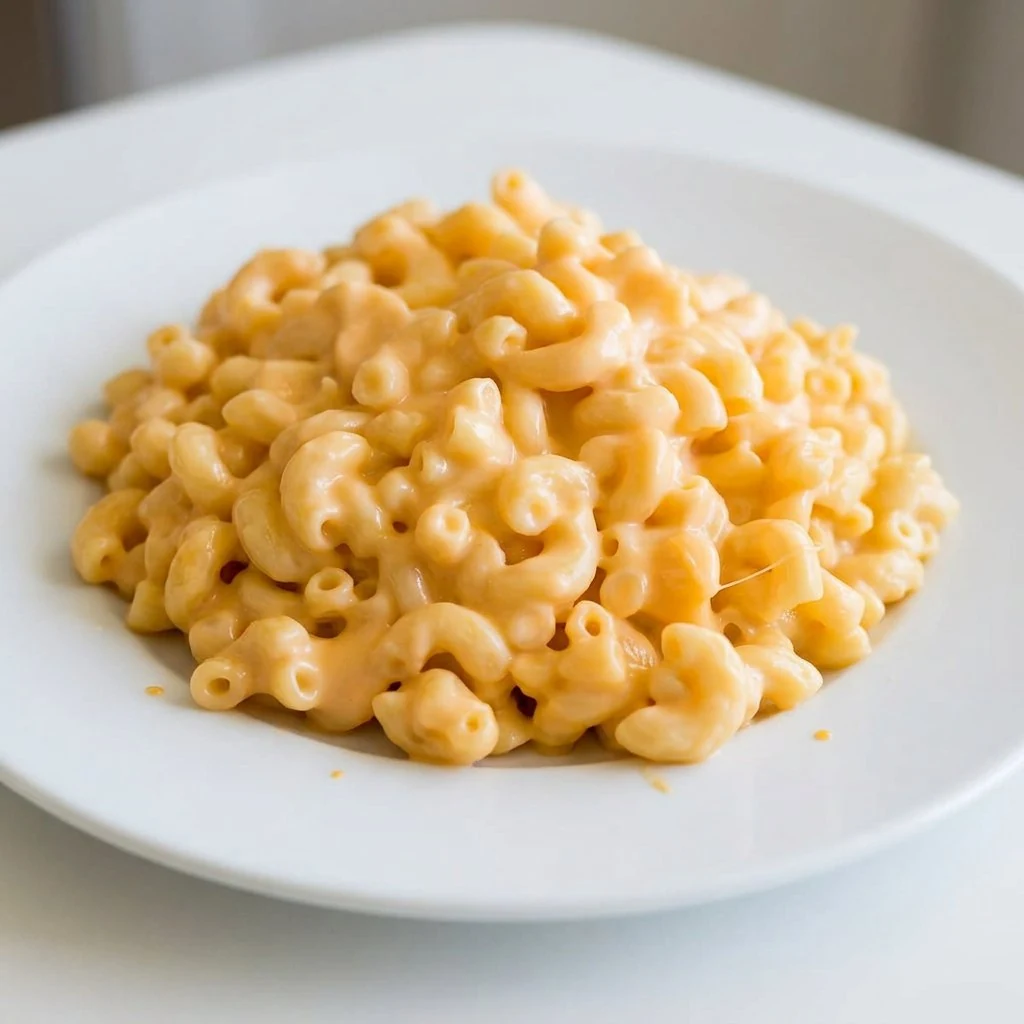
Mac cheese stovetop style is the creamy, glossy, fifteen minute pot of comfort that skips the oven entirely. You boil the macaroni right in its water, build the cheese sauce in the same pot, and end up with a cheddar and mozzarella sauce that clings to every elbow like it was measured for it.
You need this recipe when the baked version takes too long, when your weeknight needs a win, or when the side dish requests in your house have reached a federal matter. One pot, one spoon, and dinner status: legendary.
Recipe at a Glance
| Prep time | 5 minutes |
| Cook time | 15 minutes |
| Total time | 20 minutes |
| Cooking method | One pot stovetop: pasta boiled without draining, sauce built in the same pot |
| Servings | 4 |
| Main ingredients | Elbow macaroni, butter, flour, milk, cheddar, mozzarella, mustard powder |
| Skill level | Easy |
Ingredients You’ll Need
- 250 g elbow macaroni
- 50 g butter
- 3 tbsp flour
- 2 cups milk
- 1 1/2 cups cheddar cheese shredded
- 3/4 cup mozzarella cheese shredded
- 1 tsp garlic powder
- 1/2 tsp onion powder
- 1/2 tsp mustard powder
- 2 1/2 cups water
- salt and pepper
Ingredient Notes & Easy Substitutions
Your macaroni cooks in just two and a half cups of water on purpose, because the starch that releases into that barely there liquid is what thickens your sauce without a heavy roux; the no drain logic at Foodie Crush leans on exactly that starch. Stir often, since a small water volume means the pasta drinks fast.
Your cheddar should be sharp and shredded from a block, and the mozzarella is the stretch and the silk; together they outperform either alone. The one pot approach at Five Heart Home pairs pasta water with dairy for body, and your mustard powder is the background note that makes the cheddar taste more like itself.
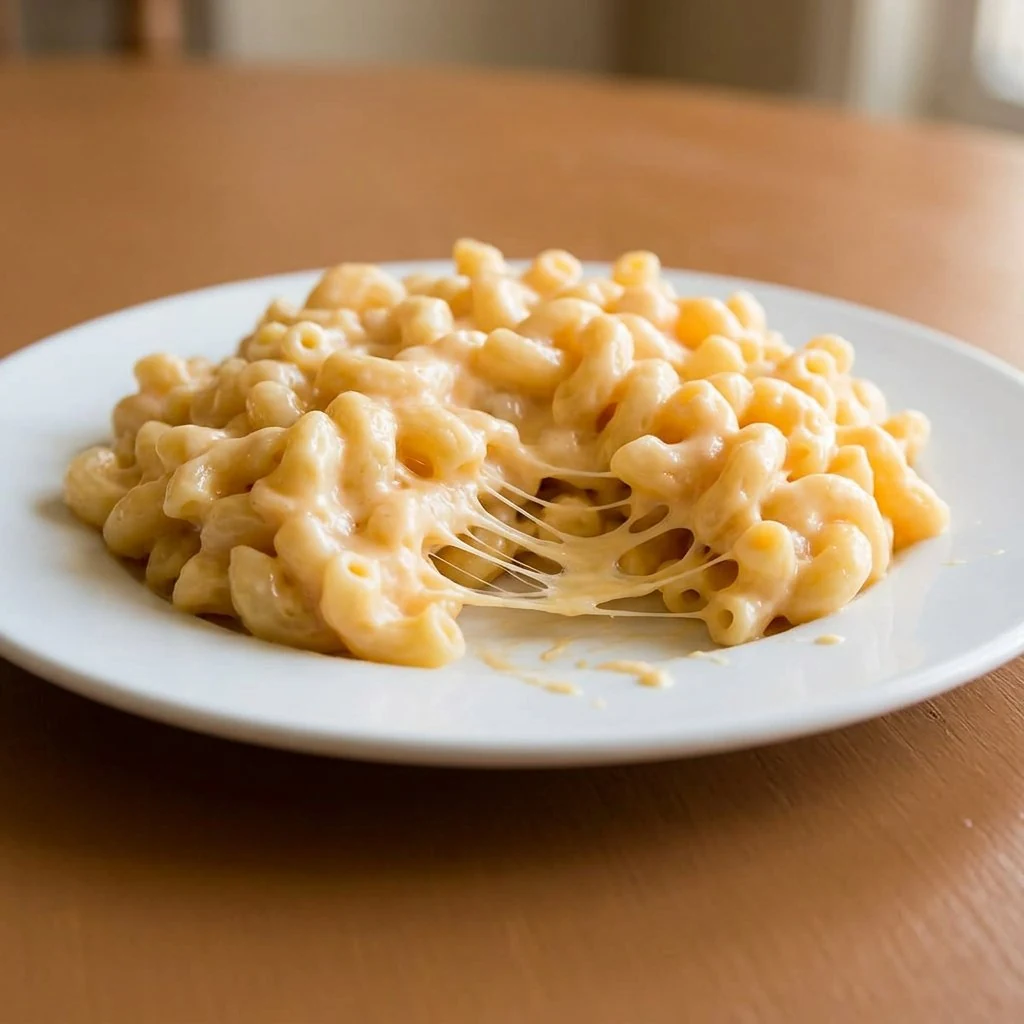
Your butter and flour form a quick mini roux right in the pot before the milk goes in, which is what keeps the sauce from breaking. If you only have pre shredded cheese, rinse it quickly in a strainer to wash off the anti-caking starch, and it will melt far more gracefully.
Equipment You’ll Need
You need a large heavy bottomed pot, a wooden spoon or silicone spatula, a whisk, measuring cups, and a cheese grater. That is the entire footprint of this recipe, and the cleanup is one pot, one spoon, and a grater with memory of better times.
A heavy pot matters more here than in most recipes, because you are boiling a small volume of water and then working a sauce over low heat; thin pots scorch milk at the bottom and stain the whole batch. Low, patient heat is the difference between glossy and grainy.
How to Make Mac Cheese Stovetop
Step One: The Tight Boil
Place the macaroni, water, and a pinch of salt in a large pot and bring it to a boil, stirring often. The water barely covers the pasta, and that is by design; your frequent stirring keeps the elbows from sticking while they release the starch you are about to depend on.
Step Two: Stop Before Al Dente
Cook the pasta until just before al dente, about 4 minutes, and do not drain. The pasta finishes cooking in the sauce, absorbing flavor as it goes, and every drop of that starchy water stays in the pot to do its thickening work.
Step Three: Butter Down
Reduce the heat to low and add the butter, stirring until melted. The pot contents slack into a glossy, buttery base, and low heat from here on is the rule; milk and cheese are patient ingredients only when you are patient first.
Step Four: Flour, Then Milk
Add the flour and stir for 1 minute, then pour in the milk gradually while stirring. The flour cooks into the butter with no raw taste, and the slow milk stream whisks into a sauce that coats the pasta instead of pooling around it.
Step Five: The Flavor Trio
Add the garlic powder, onion powder, and mustard powder and stir. Individually they are whispers; together they make your cheese sauce taste like it came from a diner that guards its recipe, and this is the moment your kitchen starts smelling like the good part of childhood.
Step Six: Cheese, Season, Serve
Add the cheddar and mozzarella and stir until melted and the sauce is smooth, then season with salt and pepper and serve immediately. Off heat or over the lowest flame, the cheese melts into silk, and stovetop mac waits for nobody; bowls first, phones later.
Serving Size & Batch Scaling
Two hundred fifty grams of pasta feeds four as a rich side or three as a main with add-ins. The recipe scales cleanly in every direction, which is why it becomes the weeknight default so fast once you make it once.
Doubling needs a bigger pot and a couple of extra minutes on the boil, since more pasta absorbs its water at a different pace. Stir even more diligently; a double batch of gluing pasta to the pot bottom is a tragedy entirely made of impatience.
Making More or Less?
For two people, halve everything and use a medium saucepan; the cook times barely move. The sauce ratios are what matter, and they halve without argument, which is more than you can say for most comfort food.
If you want the baked experience without the baked wait, pile the finished stovetop mac into a broiler safe dish, scatter extra cheddar on top, and slide it under the broiler for two minutes. You get the golden cap plus the fifteen minute timeline, which is honestly the best of both rituals.
Nutrition Estimate Per Serving
- Calories: about 480 per serving
- Protein: 19 g
- Carbohydrates: 51 g
- Fat: 23 g
- Fiber: 2 g
- Sugar: 5 g
- Sodium: about 620 mg

The following is an estimated nutritional breakdown based on standard ingredient data, so treat these numbers as friendly context rather than lab results. Cheese quantity is the biggest variable, and let us be honest about how that variable usually resolves itself.
Common Mistakes to Avoid
The top mistake is cooking the pasta to full al dente before the sauce, because it keeps absorbing liquid and ends up soft by serving; stop early as written. The second is adding cheese over high heat, which breaks the sauce into grainy strands; low heat, gradual cheese, and patience produce the glossy sauce this pot is famous for.
Do not walk away during the tight boil. Two and a half cups of water with a quarter kilo of pasta goes from perfect to welded in the time it takes to answer one text, and your frequent stirs are the entire insurance policy.
Finally, do not skip the mustard powder because you cannot taste it directly. It does not make the mac taste mustardy; it makes the cheese taste more like cheese, and that background job is exactly why diner mac tastes diner grade.
Troubleshooting Guide
If your sauce is too thick, stir in a splash of milk over low heat until it flows again; the pasta keeps drinking moisture even off the heat, so loosen generously. If it is too thin, simmer a couple of minutes longer, stirring, since the starch and flour need only time to tighten things.
If your cheese went grainy, the heat was too high; pull the pot off the burner, whisk in a splash of milk, and it usually smooths back out. If the pasta stuck to the bottom, do not scrape the scorched layer into the pot; transfer the good mac above it to a new pan and carry on.
If the whole pot tastes flat, it needs salt before it needs more cheese; pasta water with no salt makes surprisingly quiet mac. Season, taste, and adjust in that order, because cheese has been covering for under salted pasta for too long.
Variations & Customizations
Stir in a spoonful of Dijon or a dash of hot sauce for a sharper edge, or fold in crisp bacon and toasted breadcrumbs for texture contrast. A cup of steamed broccoli or buttered peas turns the side into a one pot dinner that parents recognize and children accept as a fair deal.
Swap the mozzarella for gouda or fontina when you want smokier depth, or dust the finished bowls with smoked paprika for color and a whiff of campfire. Lobster makes it a celebration, hot dogs make it a childhood memory, and both are correct.
What to Serve With It
Stovetop mac sits happily beside meatloaf, roast chicken, or anything off the grill, and a sharp green salad keeps the plate balanced. When you want the baked ceremony instead, the family favorite baked mac and cheese is the weekend version of this recipe, and for a fast garlicky cousin, garlic butter pasta covers the nights when cheese is somehow not the assignment.
Hot sauce on the table, steamed vegetables on the side, and a spoon that never quite made it to the dishwasher are the traditional accompaniments, in that order of importance.
Meal Prep & Make-Ahead Instructions
Stovetop mac is best made and eaten immediately, and that is the honest truth of the genre. The sauce thickens dramatically as it cools, so if you must prep ahead, cook the pasta slightly under and hold the sauce components ready to assemble in ten minutes.
You can shred the cheese and measure everything in the morning so dinner is a fifteen minute runway. For lunchboxes, the chilled leftovers firm into slices kids find hilarious and delicious, which is the one form of day old stovetop mac with genuine fans.
Storage & Leftovers
Leftovers keep in an airtight container in your fridge for up to three days, and they set into a solid block that is normal, not a betrayal. Reheating with added milk is what restores the sauce, so do not judge the block before its second act.
Freezing is not recommended for stovetop mac, because the dairy sauce separates and the pasta goes soft. This is a recipe that thrives on being made fresh in fifteen minutes, which is conveniently its entire personality.
A splash of milk is the entire secret to reviving leftovers, so keep some within arm’s reach every time you reheat. Your mac loosens back to glossy in about two minutes of gentle stirring, and the second bowl genuinely competes with the first one for compliments.
Reheating Instructions
Reheat portions in a saucepan over low heat with a generous splash of milk, stirring until the sauce loosens and turns glossy again, about five minutes. The microwave works in sixty second bursts with a stir and another splash of milk between rounds.
A small handful of fresh shredded cheese stirred in at the end of reheating revives the flavor and texture completely, and a fresh grind of pepper on top finishes the revival. Your leftovers will pass for a fresh batch, and nobody needs to be told otherwise.
Frequently Asked Questions
Can this be made ahead? The components can be measured ahead, but the finished mac is a make and eat dish, because the sauce seizes as it cools. If needed, reheat gently with milk and a fresh handful of cheese, and it returns to near fresh status.
Why cook the pasta in so little water? The small water volume means the pasta releases concentrated starch into liquid that never gets poured away, and that starch is the body of your sauce. It is the same logic that makes no drain one pot macs so creamy without heavy cream.
Can you use pre shredded cheese? Yes, with a caveat: bagged cheese is coated in anti-caking starch that resists smooth melting. A quick rinse in a strainer removes much of it, or just accept a slightly thicker, less glossy sauce that still tastes excellent.
Can you make it without flour? You can; the cornstarch free route is to rely purely on the starchy pasta water plus cheese, adding cheese off heat gradually. The flour version here is silkier and more stable, but the no flour version is real stovetop mac too.