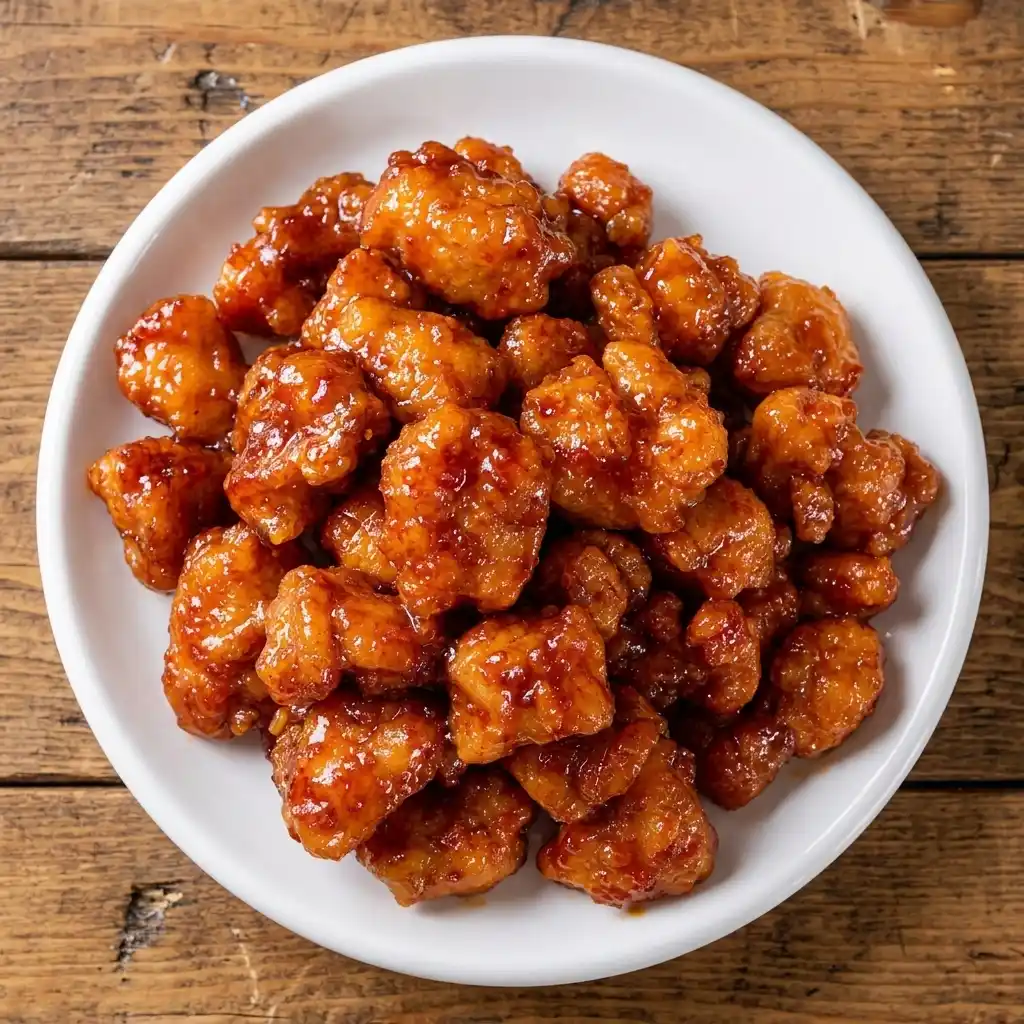
Baked orange chicken gives you everything you love about the takeout classic without the mess and danger of deep frying. Bite-sized pieces of chicken get coated in flour, egg, and Panko breadcrumbs, then baked until golden and crispy.
While the chicken is in the oven, you make a sweet, tangy, slightly spicy orange sauce on the stove in about five minutes. When the chicken comes out, you toss it in the sauce and serve. The whole process takes thirty minutes, and your kitchen smells like fresh oranges and toasted sesame oil.
If you have ever tried making orange chicken at home and ended up with soggy chicken or a sauce that tasted like candy instead of dinner, this recipe fixes both problems. The Panko trick in the breading step and the balance of vinegar and sugar in the sauce make all the difference.
The Quick Numbers
- Prep Time: 10 minutes
- Cook Time: 20 to 25 minutes
- Total Time: 30 minutes
- Servings: 6
- Difficulty: Easy
- Cuisine: Chinese-inspired American
- Cooking Method: Baked + stovetop sauce
- Meal Type: Dinner
- Calories (per serving): ~424
- Protein: 35g
- Carbs: 41g
- Fat: 12g
What Ends Up on Your Plate
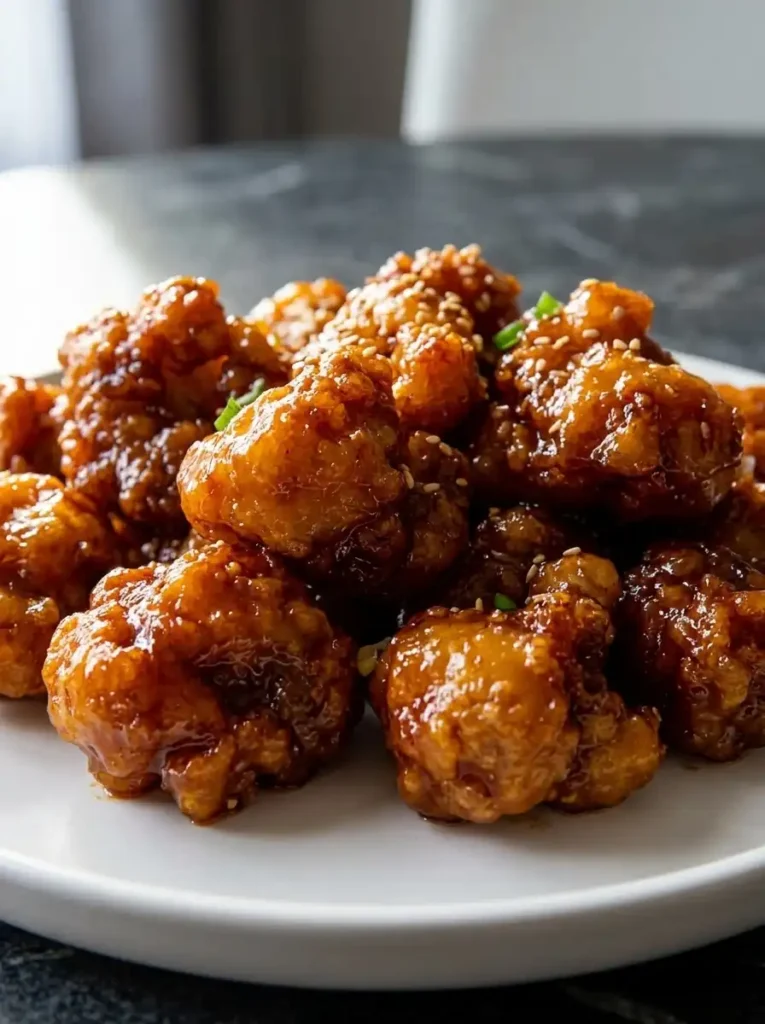
The chicken pieces have a golden, slightly crunchy crust that holds up even after being tossed in the sauce. The sauce is thick, glossy, and clings to every piece.
It tastes sweet first, then the orange juice and zest hit you with bright citrus, followed by the warmth of ginger and garlic, and a gentle tingle from the crushed red pepper at the very end.
The sesame oil adds a nutty undertone that ties the whole thing together. This is a bold sauce that tastes like the Panda Express original but made in your own kitchen with ingredients you can see and pronounce.
Ingredients You’ll Need
- 1 cup Panko breadcrumbs – Panko gives you a lighter, crispier coating than regular breadcrumbs. One key step: pulse them in a food processor first to make the flakes smaller. Whole Panko creates a spiky, uneven crust when baked. Finer Panko mimics the texture of deep-fried breading.
- 2 pounds boneless skinless chicken thighs, cut into small chunks – Thighs stay juicier than breasts during baking. Cut them into 1-inch pieces so they cook through quickly and evenly.
- 2 large eggs, beaten – The binder that holds the breading to the chicken. Beat them well in a shallow bowl for easy dipping.
- ½ cup flour – The first coating step. The flour gives the egg something to stick to, and the egg gives the breadcrumbs something to stick to. This three-step breading process is what makes the crust stay on.
- 1 tablespoon vegetable oil, divided – Half goes on the baking sheet or is sprayed onto the chicken to help it brown. The other half goes into the saucepan to cook the aromatics.
- 1½ tablespoons fresh ginger, minced – A generous amount. Fresh ginger gives the sauce its distinctive warmth and slight spiciness. Do not substitute ginger powder here.
- 2 teaspoons garlic, minced – About 4 cloves. Fresh garlic is essential for this sauce. It cooks for only 30 seconds, so it needs to be fresh to contribute real flavor.
- ½ teaspoon crushed red pepper – Adds a subtle background heat that balances the sweetness. If you are sensitive to spice, cut it to ¼ teaspoon. Do not omit it entirely.
- 1 tablespoon cornstarch – Thickens the sauce so it clings to the chicken instead of running off. Cornstarch needs to be brought to a boil to activate fully.
- 2 tablespoons rice wine – Adds acidity and depth. White wine works as a substitute. If you do not have either, use 1 tablespoon of rice vinegar.
- ¼ cup fresh orange juice – Squeezed from the same orange you zest. This is the citrus backbone of the sauce. Do not use bottled orange juice if you can help it.
- 1 teaspoon sesame oil – The finishing touch that makes the sauce taste like it came from a restaurant. Add it at the end of cooking, not the beginning.
- 3 tablespoons low-sodium soy sauce – The salty, savory base of the sauce. Low-sodium prevents it from being too salty when the sauce reduces.
- 10 tablespoons sugar – Yes, this is a lot. This is what makes it orange chicken, not orange-glazed chicken. The sugar and vinegar together create the characteristic sweet-and-sour balance.
- 10 tablespoons white vinegar – Balances the sugar with sharp acidity. White vinegar is key here because it is clean and neutral. Apple cider vinegar or rice vinegar would add flavors that compete with the orange.
- 1 orange, zested – The zest contains the essential oils that give the sauce its pure orange aroma. Zest the orange before you juice it.
Looking for more bold dinner flavors? Browse our chicken recipes or explore our dinner recipes for weeknight meal ideas.
Ingredient Swaps
- Chicken breasts instead of thighs: Breasts work but dry out more easily. If you use them, check the chicken at 20 minutes instead of 25.
- Regular breadcrumbs instead of Panko: They work but the crust will be denser and less crispy. You can skip the food processor step if using regular breadcrumbs.
- Brown sugar instead of white: The sauce will be darker and have a slightly deeper, molasses-like flavor. It is a nice variation.
- Marmalade shortcut: Some recipes use orange marmalade instead of fresh juice and zest. It works and saves time, but the flavor is sweeter and less bright than using a real orange.
- Gluten-free: Use gluten-free flour and gluten-free Panko. Tamari instead of soy sauce.
Kitchen Tools
- Food processor – For pulsing the Panko breadcrumbs into finer crumbs. If you do not have one, put the Panko in a zip-lock bag and crush with a rolling pin.
- Baking sheet – Lined with parchment paper for easy cleanup.
- Four shallow bowls – One each for the flour, egg, Panko, and chicken pieces. The assembly line setup makes the breading process fast.
- Small saucepan – For making the orange sauce while the chicken bakes.
- Microplane or zester – For zesting the orange before juicing it.
Let’s Cook This Step by Step
While your finished dish may not look exactly like the images in this post, following these instructions will give you the same delicious BAKED ORANGE CHICKEN. So please follow with me!
Prep the Panko. Put the Panko breadcrumbs in a food processor and pulse several times until the flakes are much smaller, closer to the texture of regular breadcrumbs. This step is important. Full-size Panko flakes create a spiky, uneven crust when baked.
Finer crumbs create a smoother, more uniform coating that crisps evenly and holds the sauce better. If you do not have a food processor, put the Panko in a zip-lock bag and crush them with a rolling pin or the bottom of a heavy pan.
Set up the breading station. Preheat the oven to 400°F. Arrange four shallow bowls in a row: flour in the first, beaten eggs in the second, processed Panko in the third, and the chicken chunks in the fourth. Cut the chicken thighs into 1-inch pieces.
This assembly line approach keeps the process moving quickly and prevents your hands from turning into breaded messes.
Bread the chicken. Take a piece of chicken, coat it in flour and shake off the excess, dip it in the egg, then roll it in the Panko, pressing gently so the crumbs adhere. Place it on your parchment-lined baking sheet. Repeat with all the chicken pieces.
Once they are all on the sheet, spray the tops with cooking spray or brush them lightly with vegetable oil. This helps the Panko brown in the oven. Without it, the tops stay pale and dry.
Bake. Put the chicken in the oven and bake for 20 to 25 minutes. Start checking at 20 minutes. The chicken should be golden brown on the outside and cooked through on the inside. If you have an instant-read thermometer, the internal temperature should be 165°F.
Make the sauce while the chicken bakes. In a small saucepan over medium heat, add the remaining ½ tablespoon of vegetable oil, the minced ginger, garlic, and crushed red pepper. Cook for 30 seconds, stirring constantly, until fragrant. You will smell the ginger and garlic bloom almost immediately. Do not let them brown. Add the cornstarch, rice wine, orange juice, sesame oil, soy sauce, sugar, white vinegar, and orange zest.
Stir well to combine. Bring the sauce to a boil and let it cook for 1 to 2 minutes, stirring frequently, until it thickens to a glossy, syrupy consistency that coats the back of a spoon. Turn off the heat.
Toss and serve. When the chicken comes out of the oven, transfer it to a large bowl or back into the saucepan. Pour the sauce over the chicken and toss until every piece is coated. The sauce should cling to the chicken rather than pooling at the bottom. Serve immediately over steamed rice.
For more saucy chicken dinners, visit our healthy recipes for lighter alternatives, or pair this with sides from our vegetable and side dishes collection.
Nutrition at a Glance
- Calories: ~424 per serving
- Protein: 35g
- Carbs: 41g
- Fat: 12g
- Sugar: 24g
- Sodium: ~524mg
Values are estimates. The sugar content is high because of the sauce, which is characteristic of orange chicken.
Kitchen Wisdom
- Process the Panko. This is the step most people skip and it is the reason their baked orange chicken does not taste like the fried version. Full Panko flakes create a bumpy, spiky crust when baked. Crushing them finer creates a smoother, tighter coating that gets crispy in the oven and holds the sauce without falling apart.
- Make the sauce while the chicken bakes. This is the time-saving trick that makes this a thirty-minute recipe. The sauce takes about five minutes to make, and the chicken takes twenty to twenty-five minutes to bake. Do them at the same time and everything is ready together.
- Zest before you juice. It is much easier to zest a whole orange than a squeezed half. Always zest first, then cut and juice.
- The sauce thickens as it cools. If it seems thin when you take it off the heat, wait a minute. Cornstarch continues to set as the temperature drops. If it gets too thick, stir in a splash of water or orange juice.
For the science behind cornstarch thickening, Serious Eats explains how cornstarch works as a thickener and why it needs to boil to activate fully.
When Things Go Sideways
- The breading fell off: You did not press the Panko firmly enough onto the chicken, or you flipped the chicken too roughly. The flour-egg-Panko sequence needs each layer to be thorough. Next time, press the crumbs in with your hands.
- The chicken is soggy: The oven was not hot enough, or you did not spray the tops with oil. Make sure the oven is fully preheated to 400°F before the chicken goes in. The oil on top of the Panko is essential for browning.
- The sauce is too sweet: Reduce the sugar next time to 8 tablespoons instead of 10. You can also add an extra squeeze of orange juice or a splash of rice vinegar to brighten it.
- The sauce is too thin: It needs to come to a full boil for the cornstarch to activate. Bring it back to a boil for another 30 seconds and stir constantly.
- The sauce is too thick: Add a tablespoon of water or orange juice and stir. It will loosen immediately.
Recipe Variations
- Spicy baked orange chicken: Double the crushed red pepper to 1 teaspoon, or add ½ teaspoon of sriracha to the sauce.
- General Tso style: Use this same baking method but swap the orange sauce for a General Tso sauce made with hoisin, soy sauce, rice vinegar, and dried chilies.
- Air fryer version: Cook the breaded chicken in an air fryer at 400°F for 10 to 12 minutes, shaking the basket halfway through. The crust gets even crispier than in the oven.
- Sesame orange chicken: Sprinkle toasted sesame seeds over the finished dish. They add a nutty crunch that complements the sweet sauce.
What Pairs Well
Steamed white rice is the classic base. Fried rice or chow mein noodles are the restaurant-style pairings. Steamed broccoli provides a green, slightly bitter contrast to the sweet sauce. Egg rolls or spring rolls turn it into a full takeout spread.
Keeping It Fresh
- Fridge: Store leftover chicken and sauce in an airtight container for up to 4 days. The crust softens as it sits, which is normal.
- Reheating: The oven or air fryer is best for restoring crispiness. Bake at 375°F for 8 to 10 minutes. The microwave works but the crust will not be crispy.
- Freezer: Freeze the cooked chicken and sauce separately for up to 2 months. Thaw overnight in the fridge and reheat in the oven.
- Make the sauce ahead: The orange sauce can be made up to 3 days in advance and stored in the fridge. Reheat it in a saucepan before tossing with freshly baked chicken.
Common Questions
Can I use chicken breasts instead of thighs? You can, but breasts dry out more quickly in the oven. Check them at 20 minutes and pull them as soon as they reach 165°F. Thighs give you more room for error.
Why do I need to process the Panko? Full Panko flakes are large and create a spiky, uneven crust when baked. Processing them into finer crumbs gives you a smoother, tighter coating that crisps more evenly and holds the sauce better, closer to the texture of deep-fried orange chicken.
Can I use bottled orange juice? Fresh orange juice tastes brighter and has more natural acidity. Bottled works if you are in a hurry, but use one that is not from concentrate and add an extra pinch of orange zest to compensate for the lost intensity.
Is this recipe spicy? With ½ teaspoon of crushed red pepper, the sauce has a gentle warmth. It is not spicy. If you want no heat at all, reduce the red pepper to ¼ teaspoon.
This baked orange chicken delivers that classic takeout sweetness and crunch from your own oven. No deep frying, no special equipment, no ordering delivery. Make it once and you will wonder why you ever paid restaurant prices for something this easy.
8 thoughts on “BAKED ORANGE CHICKEN”
Comments are closed.