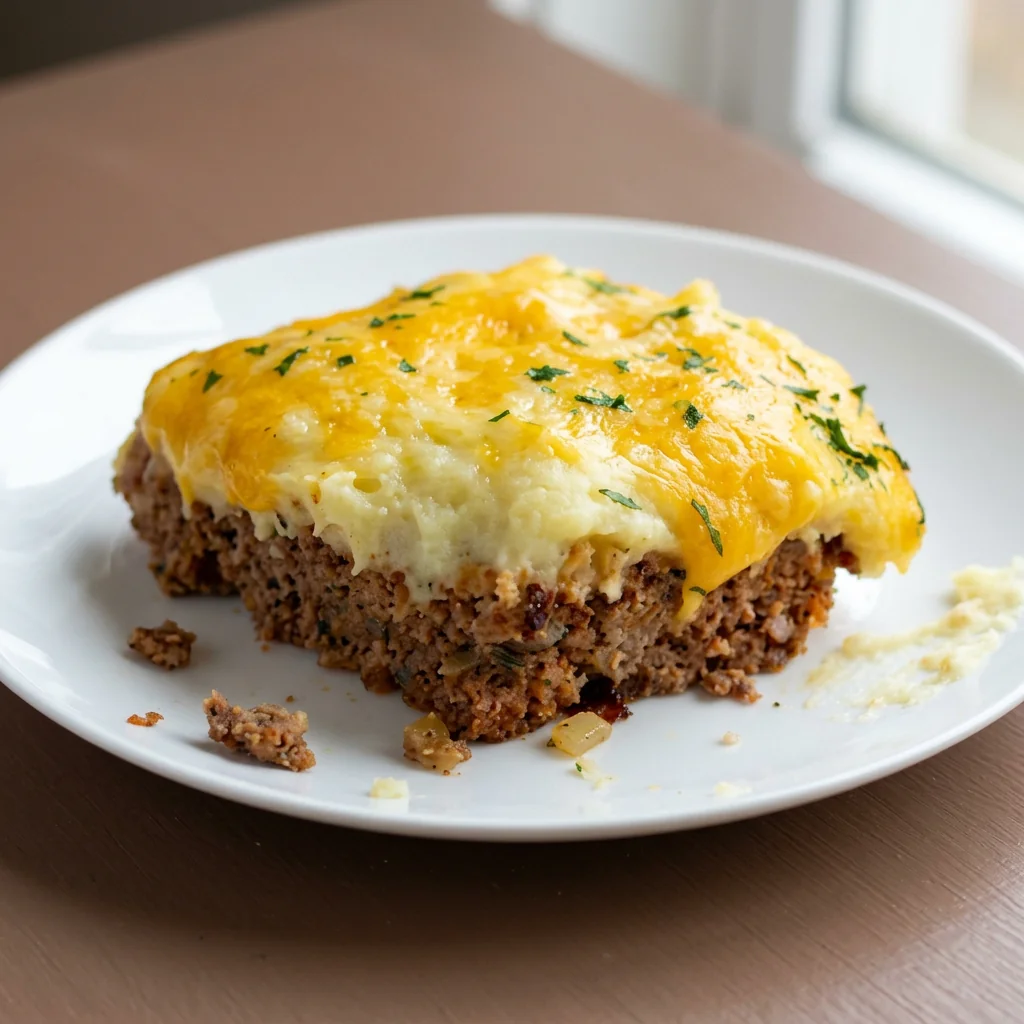
Meatloaf and mashed potatoes casserole solves the best argument in comfort food: why choose between meatloaf and mashed potatoes when one dish can hold both?
A tomato rich meatloaf layer pressed into a baking dish, crowned with garlic chive mash, and baked at 375 degrees until golden and cooked through to the middle. Every serving is a perfect little slice of Sunday, and the leftovers, oh, the leftovers.
You get the classic meatloaf dinner and the potato mountain in every forkful, no juggling two pots and a platter. It is ideal for cold nights, budget friendly family dinners, anyone who thinks meatloaf deserves a better reputation, and people who eat the mashed potatoes first and know exactly who they are, and I respect it.
Recipe at a Glance
- Prep time: 25 minutes
- Cook time: 40 to 45 minutes
- Total time: about 1 hour 10 minutes
- Servings: 6
- Difficulty: Easy
- Method: Layered bake, meatloaf base, potato crown
Ingredients You’ll Need
- 1 1/2 lbs russet potatoes, peeled and cubed
- 1/2 cup half-and-half
- 5 tbsp unsalted butter
- 1 1/2 tsp kosher salt, divided
- 3 cloves garlic, minced, divided
- 1/4 cup fresh chives, chopped
- 2 egg yolks
- 2 lbs lean ground beef
- 1 small onion, finely diced
- 1 cup tomato sauce
- 2/3 cup breadcrumbs
- 1 1/2 tbsp Worcestershire sauce
- 1 1/2 tbsp tomato paste
- Salt and pepper, to taste
Ingredient Notes & Easy Substitutions
Russet potatoes: A pound and a half of russets, peeled and cubed, mash up fluffier than any other potato, which is exactly what you want sitting on top of meatloaf. Cut the cubes small and even, about an inch, so they boil to fork tender at the same speed; big chunks mean lumpy patches, and lumpy patches mean unmashed heartbreak.
The mash makers: Half a cup of half-and-half, five tablespoons of butter, three quarters of the garlic, chives, and two egg yolks turn boiled potatoes into something special. The yolks are the quiet luxury here; they make the mash rich and golden and help it set into clean slices when baked. Chives fold in a gentle onion brightness that keeps the potato layer from being one note.
Ground beef: Two pounds of lean beef forms the meatloaf base. Lean is the right call in a casserole like this, where the fat has nowhere to drain; 90/10 keeps the layer savory without pooling grease under the potatoes. Drain after browning any beef you pre-cook, and here the raw mix bakes right in the dish.
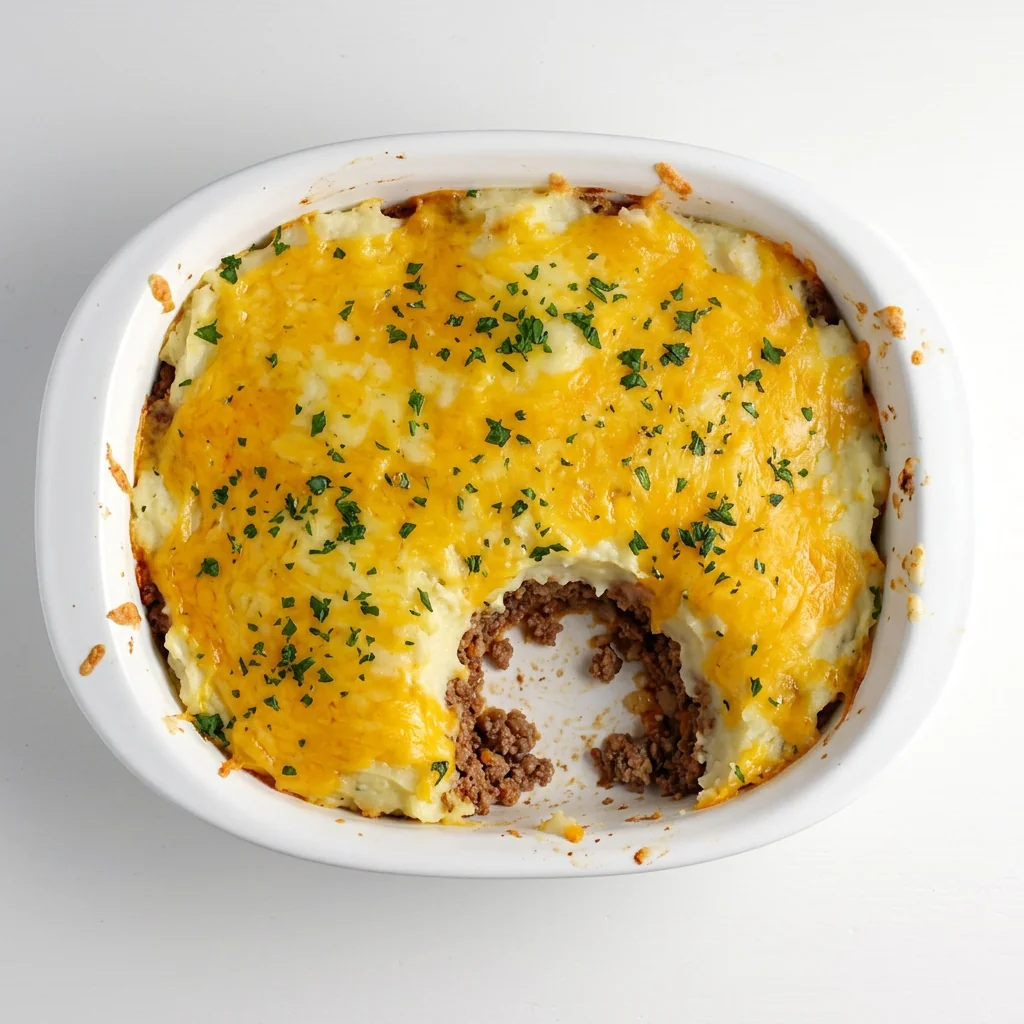
Tomato sauce, tomato paste, Worcestershire: This trio is the meatloaf flavor engine. The cup of tomato sauce keeps the beef moist, the paste concentrates that slow cooked depth, and the Worcestershire brings the savory mystery that makes people ask for the recipe. Nothing exotic, everything important.
Breadcrumbs: Two thirds of a cup bind the meatloaf so it slices instead of crumbling. Plain or seasoned both work; if you use seasoned, go easy on the added salt in the meat layer, because the breadcrumbs have already met their salt quota.
Equipment You’ll Need
- 9×13 inch baking dish
- Large pot, for the potatoes
- Potato masher
- Large mixing bowl
- Box grater or knife, for the onion
How to Make Meatloaf and Mashed Potatoes Casserole
Boil, mash, mix, press, crown, bake. Two layers, one dish, and a kitchen that smells like the best kind of Sunday. Walk through it with me; there is a small trick hiding in every step.
Step One: Preheat and Boil the Potatoes
Preheat the oven to 375 degrees. Put the cubed russets in a large pot of cold, generously salted water, bring it to a boil, and cook until a fork slides through a cube with zero resistance, about 12 to 15 minutes.
Starting in cold water is not just kitchen folklore; potatoes that heat up with the water cook evenly all the way to the center, while potatoes dropped into boiling water cook fast on the outside and stay firm in the middle. Salt the water like the sea, because this is the potatoes one real chance at seasoning from the inside out. When a fork slides in with no fight, they are ready.
Step Two: Mash the Potato Layer
Drain the potatoes well and return them to the warm pot. Add the half-and-half, butter, most of the garlic, the chives, the egg yolks, and about a teaspoon of the kosher salt. Mash until smooth and creamy.
Warm potatoes drink the dairy so much better than cool ones, which is why we mash straight in the hot pot. Mash rather than whip; an electric mixer overworks the starch and turns potatoes gluey, while a plain masher keeps them fluffy.
Taste the mash now, because this is the only time you can truly fix it. It should be a little saltier and richer than seems reasonable; it is about to sit on top of savory beef and needs to hold its own.
Step Three: Mix the Meatloaf Layer
In a separate large bowl, gently combine the ground beef, onion, remaining garlic, tomato sauce, breadcrumbs, Worcestershire, tomato paste, salt, and pepper. Mix with your hands just until everything is evenly incorporated.
Same rule as every meatloaf in the world: gentle hands, minimal mixing. The moment the mixture looks uniform, stop, because kneading it like bread dough is how meatloaf gets its tough reputation. The raw onion will soften beautifully in the bake and melt into the beef. Give the mix a quick taste check by microwaving a tiny spoonful for 15 seconds; adjusting the seasoning now is the cheapest insurance in cooking.
Step Four: Press and Crown
Press the meatloaf mixture evenly into a greased 9×13 baking dish, reaching the corners with an even thickness. Spread the mashed potatoes over the top, sealing the meat layer completely and swirling the surface with a fork.
That even press matters more than it looks; thin spots cook faster and stay dry while thick spots lag behind, so take thirty seconds to make the layer honest. When you spread the potatoes, go all the way to the edges like you are frosting a cake. The potato seal traps steam over the beef and keeps the whole bake juicy, and those fork swirls on top catch golden color in the oven like little flavor waves.
Step Five: Bake Until Golden and Cooked Through
Bake at 375 degrees for 40 to 45 minutes, until the top is touched with golden patches and the meatloaf is fully cooked through.
Visual cues are lovely, but this is a ground beef casserole, so the thermometer is the truth teller: 160 degrees in the center of the meat layer means done. If you see browning but no bubbles at the edges, give it a few more minutes.
If the potato top is golden early, tent a piece of foil over the dish so it stops coloring while the middle catches up. The dish should also be quietly bubbling at the corners, which is casserole language for perfection.
Step Six: Rest and Serve
Let the casserole rest for 10 minutes before cutting it into generous squares and serving hot.
I know the pan looks irresistible, but this rest is what lets the juices settle and the potato crown firm up so every square lifts out in clean layers instead of slumping. Ten minutes, and the difference is the difference between a casserole and a landslide. Scoop, plate, and watch people realize the meatloaf and the mashed potatoes are officially one food now.
Serving Size & Batch Scaling
A full 9×13 serves 6 generously, and this is peak leftover food; the squares reheat beautifully and the flavors settle in overnight. It doubles into two dishes for gatherings, and both bake together on staggered racks if your oven can hold them.
For smaller tables, this halves cleanly into an 8×8 dish, and the bake time drops slightly; start checking around 35 minutes.
Making More or Less?
- 3 servings: Half of everything in an 8×8 dish; check for doneness at about 35 minutes.
- 6 servings: The recipe as written.
- A crowd: Two 9×13 dishes, meat mixed in one huge bowl or two; bake together and rotate the pans halfway for even golden tops.
For any batch: even meat thickness, a full potato seal, gentle mixing, a thermometer check at the center, and a real rest. Those five rules bake the same comfort every time.
Nutrition Estimate Per Serving
The following is an estimated nutritional breakdown per serving (1 of 6), calculated from the ingredients in this recipe. It is an estimate, not medically precise information.
- Calories: ~520
- Protein: 33g
- Carbohydrates: 32g
- Fat: 28g
- Fiber: 3g
- Sugar: 4g
- Sodium: ~830mg
Useful highlight: every square delivers a serious 33 grams of protein alongside real potato, chives, and garlic, which means this comfort food is quietly also a complete, filling meal on a plate.
Common Mistakes to Avoid
Overworking the meat mix. Tough, dense meatloaf is born from overmixing. Combine, stop, move on; the gentler the hands, the tenderer the bake.
Leaving gaps in the potato seal. Bare meat spots dry out in the oven. Spread the mash edge to edge like frosting; the seal is doing juicy work.
Trusting color over temperature. Golden top does not mean cooked center in a casserole this deep. Check the middle of the meat layer for 160 degrees before calling it done.
Cutting too soon. Ten minutes of rest is what turns a steaming dish into clean, layered squares. It is the hardest wait in cooking and the most worth it.
Troubleshooting Guide
My casserole is watery at the bottom. What happened? Usually wet potatoes (underdrained) or a very lean beef releasing liquid as it bakes. Drain the potatoes hard, and if your beef is very lean, no worries, just blot the surface after baking; the dish recovers in minutes.
The potatoes browned but the meat is lagging. The oven rack sat high or the potato layer ran thin in spots. Tent with foil and keep baking to temperature; nothing is lost, the foil just evens the race.
The meat layer shrank from the sides. That is ground beef being ground beef; it contracts as it cooks. Pressing the layer evenly and to the corners at assembly minimizes the pullback.
Can I use instant mashed potatoes? In a genuine weeknight emergency, yes, make them thick so they seal properly. But real russets cost pennies, and the garlic chive mash is half the identity of this dish; the from scratch version is the one people remember.
Variations & Customizations
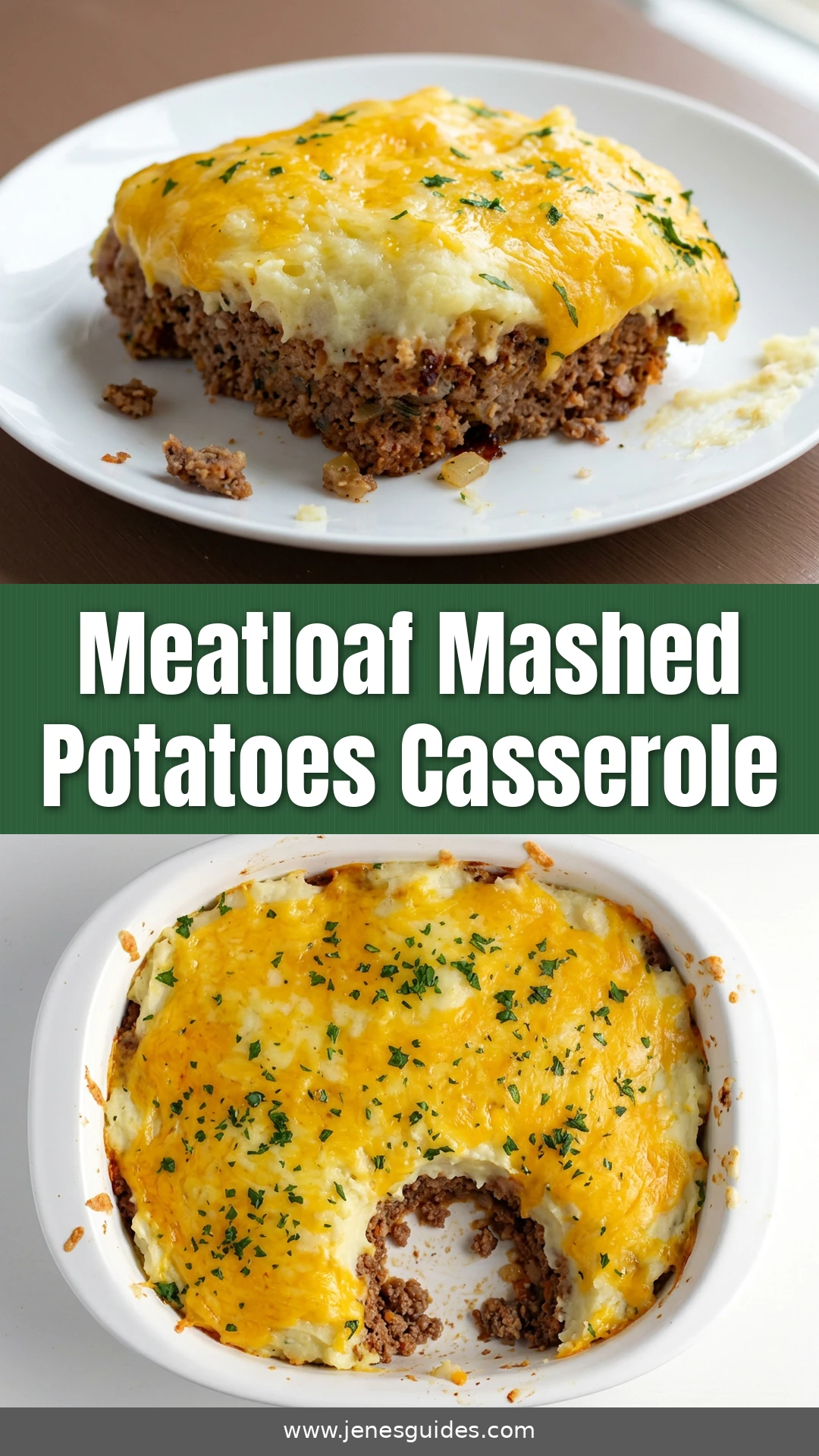
Cheesy crown version: Shower a cup of shredded cheddar over the potatoes for the last 10 minutes of baking; it melts into a golden lid that kids lose their minds over.
Bacon version: Crumble cooked bacon over the potato layer before baking; smoky, salty, and entirely justified.
Glaze version: Spread a thin layer of ketchup mixed with a spoon of brown sugar over the meat layer before the potatoes go on; it is the classic meatloaf glaze hidden inside a casserole.
Meatloaf neighbors: My Cracker Barrel meatloaf is the classic loaf version with that famous glazed top, and my hobo casserole keeps the layered beef and potato comfort train rolling.
The 375 degree, pressed into the dish, potato topped method here follows the Loaded Mashed Potato Meatloaf Casserole at Dinner, then Dessert, and the covered bake, rest, and 160 degree doneness guidance at Bowl Me Over backs the same layered bake used above.
What to Serve With It
The honest answer: Nothing is required; meat, potatoes, and vegetables in one dish make this the rare casserole that is a complete meal by itself.
Something green: Green beans, roasted broccoli, or a simple salad cut through the richness and make the plate look like you planned it.
Gravy people: A boat of beef gravy on the table for anyone who believes mashed potatoes are a gravy delivery system; there is always one, and they are right.
Cold night plan: This is the dinner for the first rainy Sunday of fall; bake it while the house is empty and let everyone walk into that smell.
Meal Prep & Make-Ahead Instructions
Can this be made ahead? Yes, and it is a genuine make ahead champion. Assemble the whole dish up to a day in advance, refrigerate covered, and bake straight from the fridge with about 10 extra minutes on the clock. The components can also prep separately: mash for 2 days, meat mix pressed into the dish for 1.
Leftover squares are basically meal prep that cooks itself; portion them into containers and you have lunches that reheat in two minutes and taste better than anything at the office.
Storage & Leftovers
Refrigeration: Covered, the casserole keeps 4 days, and day two squares are arguably the best version of this dish.
Freezing: Wrap cooled squares individually and freeze up to 3 months; thaw overnight and reheat covered at 350 degrees until hot through.
Leftover ideas: Pan fry a cold square in butter until both sides crisp into golden potato cakes; it is a completely different and completely wonderful next day meal.
Reheating Instructions
Oven (best method): Covered at 350 degrees for about 20 minutes brings a full dish back to steaming; uncover for the last 5 to re crisp the top.
Microwave (single square): About 90 seconds, covered, with a teaspoon of broth or gravy over the top to keep it moist.
Skillet: A buttered pan and a cold square over medium heat makes crispy edged potato meatloaf cakes, the breakfast of people who make good decisions.
Frequently Asked Questions
Why egg yolks in the mashed potatoes? The yolks add richness, a deeper golden color, and just enough structure that the potato layer sets cleanly when baked. It is the trick that makes the crown hold its shape in neat squares instead of sliding off the beef.
Can I use ground turkey instead of beef? Yes; the tomato sauce and Worcestershire carry flavor well, and turkey keeps it lean. Choose dark meat turkey if you can, and consider an extra half tablespoon of tomato paste for depth.
My potatoes seem too stiff to spread. Help? Warm them with an extra splash of half-and-half; they loosen right up. The mash should be soft and spreadable at assembly, because it firms in the oven, not before.
How do I know the meatloaf is done without a thermometer? An instant read thermometer is the honest answer, 160 degrees in the center of the meat layer. Without one, cut a small slit to the beef: fully brown juices, zero pink, and you are there. The thermometer removes all doubt, though, and costs less than one takeout order.
And that is the whole dish: a deeply savory meatloaf base under a garlic chive potato crown, baked into golden, sliceable comfort. It is the meatloaf dinner and the mashed potato fantasy merged into one pan, and it feeds a family for almost nothing. Bake it on the next gray Sunday and watch it disappear square by square.