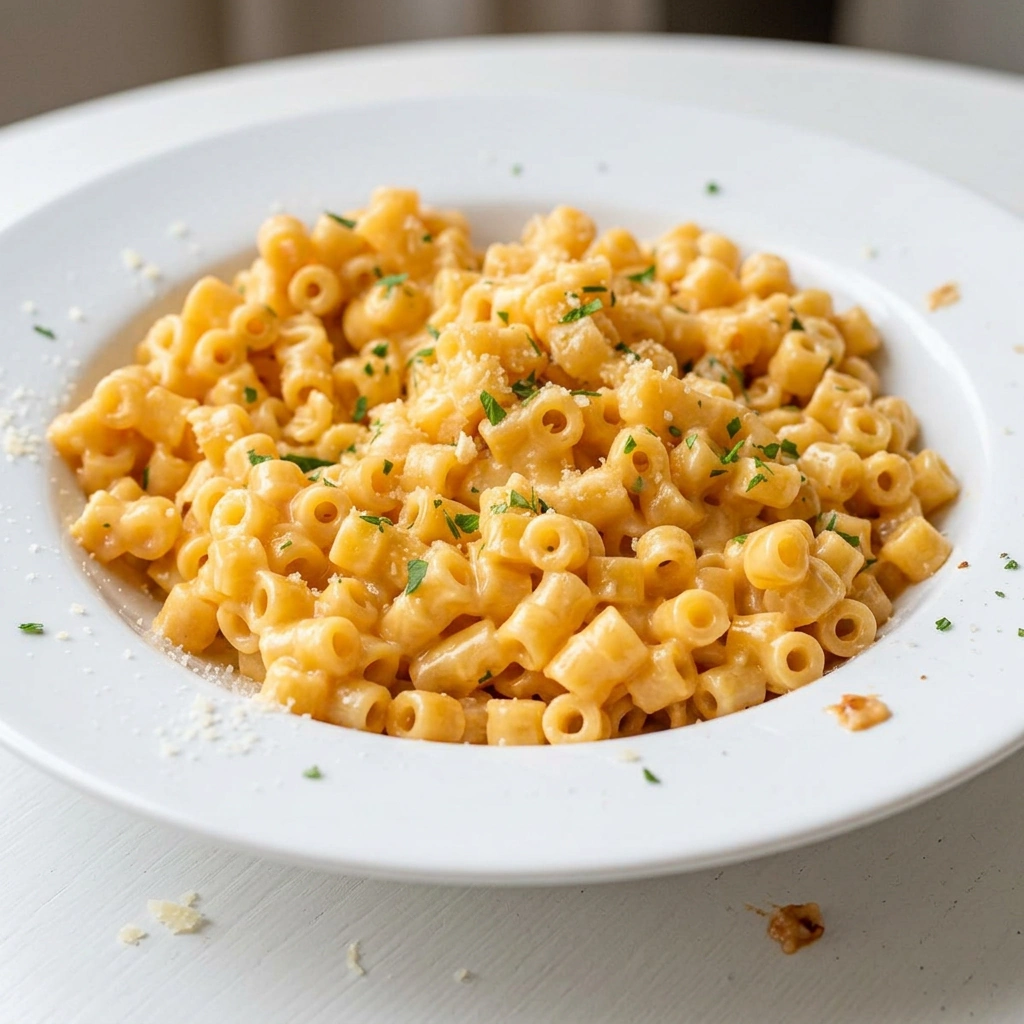
That viral ditalini pasta is the one pot wonder the internet fell in love with, and one bite explains the obsession. Little pasta curls simmer right in garlicky chicken broth, then turn silky with cream and a full cup of Parmesan.
It is perfect for broke weeks, picky eaters, pasta emergencies, and anyone who wants restaurant comfort in twenty five minutes with one dish to wash. The hype is real, and the recipe is easier than your group chat made it look.
Recipe at a Glance
| Prep time | 5 minutes |
| Cook time | 20 minutes |
| Total time | 25 minutes |
| Servings | 4 |
| Main ingredients | Ditalini pasta, chicken broth, heavy cream, Parmesan |
| Skill level | Easy |
Ingredients You’ll Need
- 16 oz ditalini pasta (1 box)
- 3 tbsp butter
- 4 cloves garlic, minced
- 4 cups chicken broth
- 1.5 cups heavy cream
- 1 cup Parmesan cheese, grated
- 1 tsp salt
- 3/4 tsp black pepper
- 1 tbsp dried parsley
Ingredient Notes & Easy Substitutions
Ditalini pasta: These tiny little tubes are the whole personality of the recipe, because their ridges and hollow centers grab sauce like nobody’s business. Any small pasta works in a pinch, elbows or small shells, but ditalini cooks evenly and holds its bite. Do not rinse it; the surface starch is what makes the sauce cling.
Chicken broth: The pasta cooks right in the broth instead of water, which means every bite is seasoned from the inside out. Use a good tasting broth, low sodium if possible, since it reduces and concentrates while the pasta drinks it. Vegetable broth works fine if that is what the pantry offers.
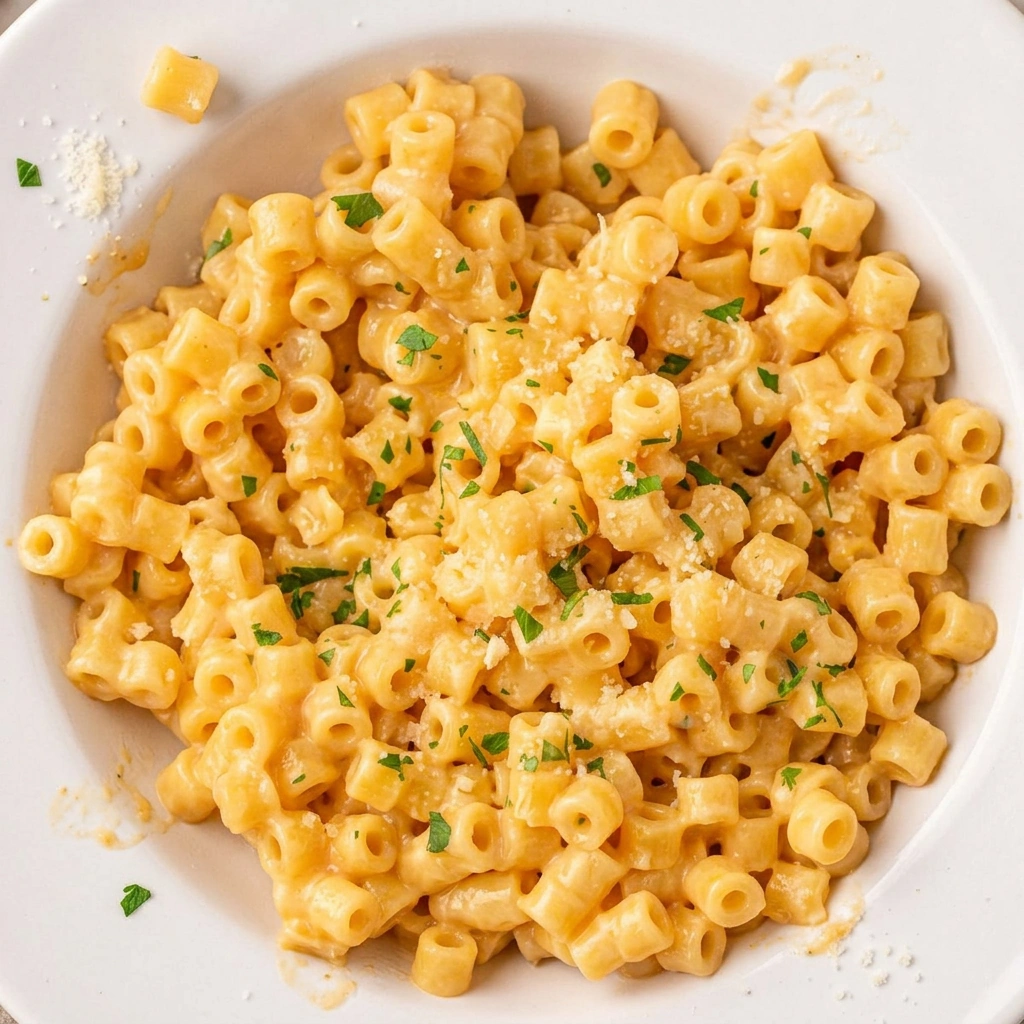
Heavy cream: A cup and a half sounds generous and lands exactly where the viral versions sit, glossy and rich without being soupy. Half and half works in a lighter version, though the sauce will be a touch looser. Add it after the pasta has absorbed most of the broth so it never gets a chance to boil hard.
Parmesan: Grate it yourself if you possibly can; pre grated cheese is coated with anti caking starch that makes sauces grainy instead of silky. A cup melts into the broth and cream and turns the whole pot into something that tastes simmered for hours. Save extra for the table, because someone always asks.
Equipment You’ll Need
- Large deep skillet or saucepan
- Wooden spoon
- Box grater, for the Parmesan
- Ladle, for serving
How to Make That Viral Ditalini Pasta
Step One: Butter and Garlic
Melt 2 tbsp of the butter in a large deep skillet over medium heat, add the minced garlic, and stir for about 1 minute until it smells fragrant and toasty but shows no color beyond pale gold.
This is a short step with a big job; the garlic perfumes the butter, and that garlic butter is what coats every pasta tube from the first stir. Keep the heat at medium and the spoon moving, because garlic that browns past gold turns bitter and the whole gentle mood of the dish shifts.
Step Two: Toast the Ditalini
Add the dry ditalini straight into the garlic butter and stir for 1 to 2 minutes until every piece is glossy and coated.
Toasting the dry pasta is the step people skip and then wonder why their version tastes flat; a minute in the butter wakes up the wheat and gives the noodles a nuttier backbone. The pasta will look shiny and slightly golden at the edges. This is also the moment the dish starts smelling like an actual Italian kitchen instead of a box.
Step Three: Simmer in Broth
Pour in 4 cups chicken broth and 1 tsp salt, stir once, and bring it to a steady simmer. Cook for 10 to 12 minutes, stirring every minute or so, until the pasta is al dente and most of the liquid is absorbed.
The pasta cooks right in the broth, releasing its starch directly into the liquid that will become your sauce, which is the entire engineering secret of one pot pasta. Stir often but gently; ditalini likes to settle and stick. Taste a piece at the ten minute mark, and remember it keeps cooking in the next step, so aim for just barely al dente.
Step Four: The Cream Moment
Lower the heat and stir in 1.5 cups heavy cream. Let it bubble very gently for 2 to 3 minutes, stirring, until the sauce looks loose and creamy rather than soupy.
Gentle heat matters here, because cream that boils can separate and grain, while cream that simmers melts into the starchy broth like it was always meant to be there. The mixture will look slightly too loose at first; give it those three minutes and a few confident stirs, and it tightens into velvet. This is the exact moment the internet lost its mind, and you are standing in it.
Step Five: Parmesan Finish
Kill the heat and stir in the grated Parmesan, the remaining 1 tbsp butter, the black pepper, and the dried parsley until the cheese fully melts and the sauce turns glossy.
Cheese goes in off the heat, because high heat can make Parmesan clump into strings instead of melting smooth. The final pat of butter is the glossy finish that makes the whole pot look camera ready. Taste and adjust the pepper now; the correct amount is usually a few grinds more than you planned.
Step Six: Serve Immediately
Spoon the pasta into warm bowls and serve right away, with extra Parmesan and black pepper at the table.
One pot pastas are at their absolute peak in the first ten minutes, when the sauce is loose and glossy and still clinging to every tube. It thickens as it sits, which is normal and still delicious. Warm bowls matter more than they sound like they do; cold bowls seize the sauce, and you have come too far for that.
Serving Size & Batch Scaling
A full box of ditalini with the listed broth and cream feeds four as a main or six as a side. Doubling requires a wide Dutch oven and an extra minute or two of simmering; the ratios stay identical.
This is a meal that does not love being made far ahead, since the pasta drinks sauce as it sits. If you are feeding more people, make a second fresh batch rather than a giant one; it only takes twenty five minutes and the texture stays perfect.
Making More or Less?
Halving for two works cleanly: half a box, two cups of broth, three quarters of a cup of cream, and half cup of cheese, with the same gentle clock.
Doubling for a family gathering is fine in a wide pot; just stir more often in the first ten minutes so the bottom does not catch, and hold back a splash of broth in case the pasta drinks faster than expected. Extra Parmesan at the table is non negotiable at any scale.
Nutrition Estimate Per Serving
- Calories: about 520
- Protein: 16 g
- Fat: 22 g
- Carbohydrates: 62 g
It is an estimate, not medically precise information, and this is a comfort dish through and through. A side of something green makes the plate feel balanced, and nobody has ever accused Parmesan pasta of being health food.
Common Mistakes to Avoid
The classic mistake is boiling the cream, which splits it grainy; low heat after the cream goes in, always. The second is using pre grated Parmesan, whose anti caking starch turns sauces pasty; a block and a grater are the five minute upgrade that makes the viral version taste as good as the video promised.
Walking away during the broth simmer is the quiet third mistake; ditalini settles and sticks, and one forgotten minute can glue the bottom of your pan. Stir every minute or so and the pot basically runs itself.
Troubleshooting Guide
My pasta absorbed all the broth and is not done. Add a splash more broth or water and keep simmering; ditalini varies by brand and so does pan width. Loose is better than dry at this stage, since the cream loosens things anyway.
My sauce turned grainy. The cheese likely hit high heat, or it was pre grated. Off heat with freshly grated Parmesan, the sauce melts smooth; if it is already grainy, a pat of cold butter stirred in off the heat brings back the gloss.
My leftovers seized into a block. One pot pasta thickens in the fridge by design. Loosen with a splash of milk or broth while reheating gently, and it turns creamy again in about three minutes.
Variations & Customizations
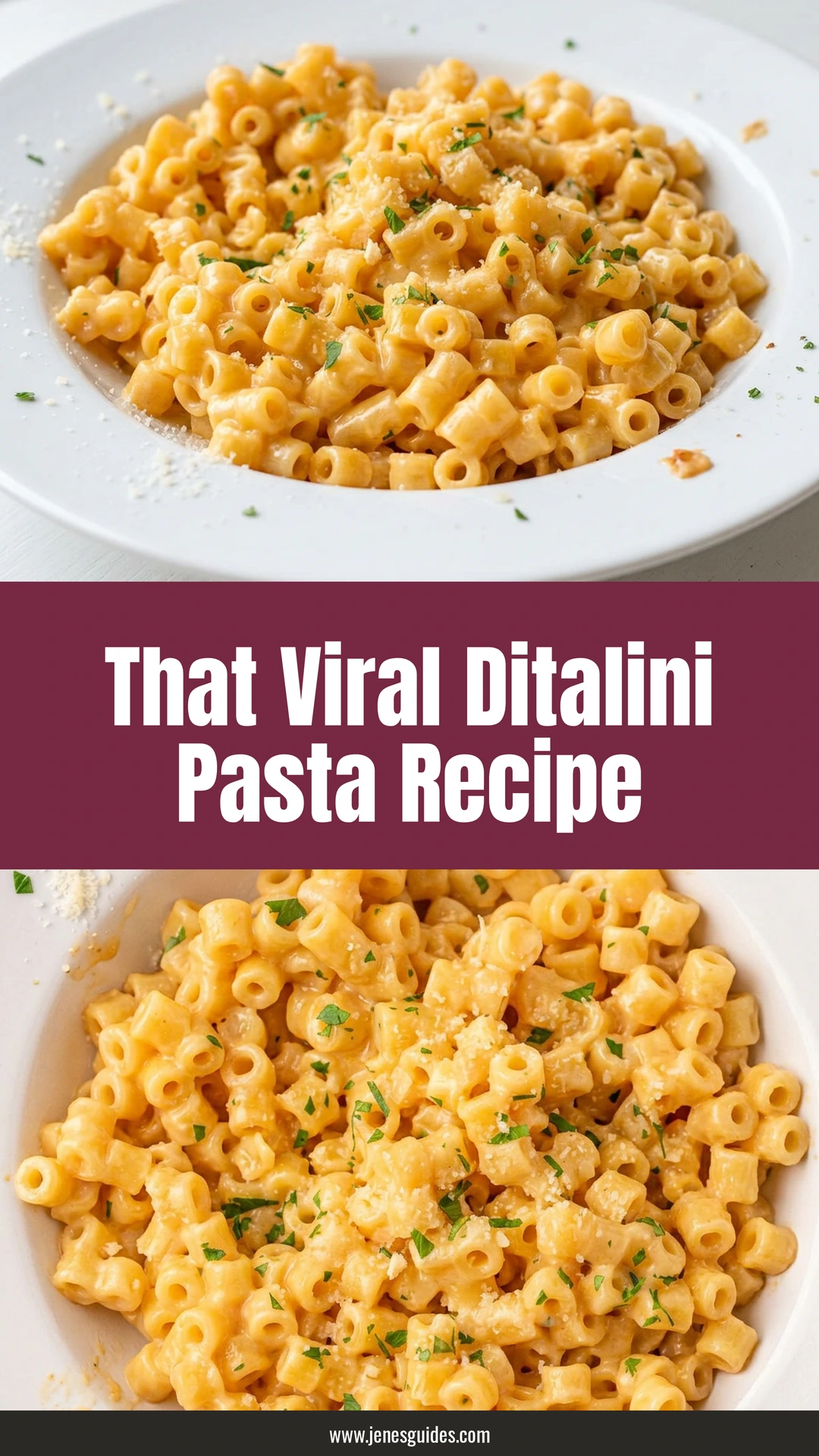
Stir in cooked crumbled sausage or mini meatballs to make it a full protein dinner, or add a handful of baby spinach at the cream stage. A spoon of chili crisp on top is the trendy spin, and lemon zest brightens the whole pot beautifully.
The broth to cream ratios at Joylicious Recipes shaped my base version, and the garlic butter toast step from Cooking with Carlee is the reason this one tastes deeper than the average copy. Crispy breadcrumbs on top are an excellent idea that nobody will argue with.
What to Serve With It
Garlic bread and a big green salad are the classic partners, and honestly the bread is mandatory in spirit. When the noodle craving runs deep, my family favorite baked mac and cheese is the baked cousin of this stovetop wonder.
For another fast pasta night that never fails, my garlic butter pasta is the ten minute emergency dinner I have leaned on for years. A simple arugula salad with lemon keeps the whole evening feeling light on its feet.
Meal Prep & Make-Ahead Instructions
This is one of those rare recipes I genuinely do not make ahead, because the texture is the whole magic and it peaks fresh. You can mince the garlic and grate the cheese in the morning, which shrinks the active work to nearly nothing.
If you must prep, cook the pasta two thirds of the way in broth, cool it, and finish it with cream and cheese right before serving. That two stage method gets you surprisingly close to fresh made, and it has saved more than one dinner party.
Storage & Leftovers
Store leftovers in an airtight container in the refrigerator for up to three days. The pasta will absorb the sauce and firm up overnight, which is not a flaw, just physics.
A splash of milk or broth revives it completely when reheating. Freezing is not recommended, since cream sauces can separate and the pasta turns soft; this is a dish that prefers to be eaten rather than archived anyway.
Reheating Instructions
Reheat in a saucepan over medium low heat with a good splash of milk or broth, stirring gently for about four minutes until creamy again. The microwave works in sixty second bursts with a stir between each.
Low heat and a little liquid are the entire secret to leftovers that taste freshly made. A new grind of pepper and a spoon of Parmesan on top, and the second day bowl competes with the first.
Frequently Asked Questions
Why did my pasta soak up all the broth? Pan width and brand differences change absorption speed, so ditalini sometimes drinks faster than the timer suggests. Keep an extra cup of broth nearby and add a splash whenever the pot looks dry before the pasta is tender.
Can I make this without cream? Yes; the sauce will be thinner and more broth forward, but the starchy pasta water and Parmesan still make it silky. Whole milk with an extra tablespoon of butter is the closest stand in for the creamy version.
What protein goes well with this? Rotisserie chicken stirred in at the cream stage, browned Italian sausage, or mini meatballs all turn it into a complete dinner. Shrimp cooks in three minutes and loves garlic butter as much as the pasta does.
Is this the actual viral recipe? The viral versions all share the same bones: ditalini simmered in broth, finished with cream and Parmesan in one pot. This is that formula, with the garlic butter toast step that makes it taste like more than the sum of its five ingredients.